Multi-chain Assets
Choose the network first, then interpret balances, gas and confirmations.

A multi-chain wallet, blockchain network and Web3 knowledge hub from imtoken
Learn how to manage assets across networks, receive and send, connect to DApps, review token approvals, understand network behavior and build practical security habits.
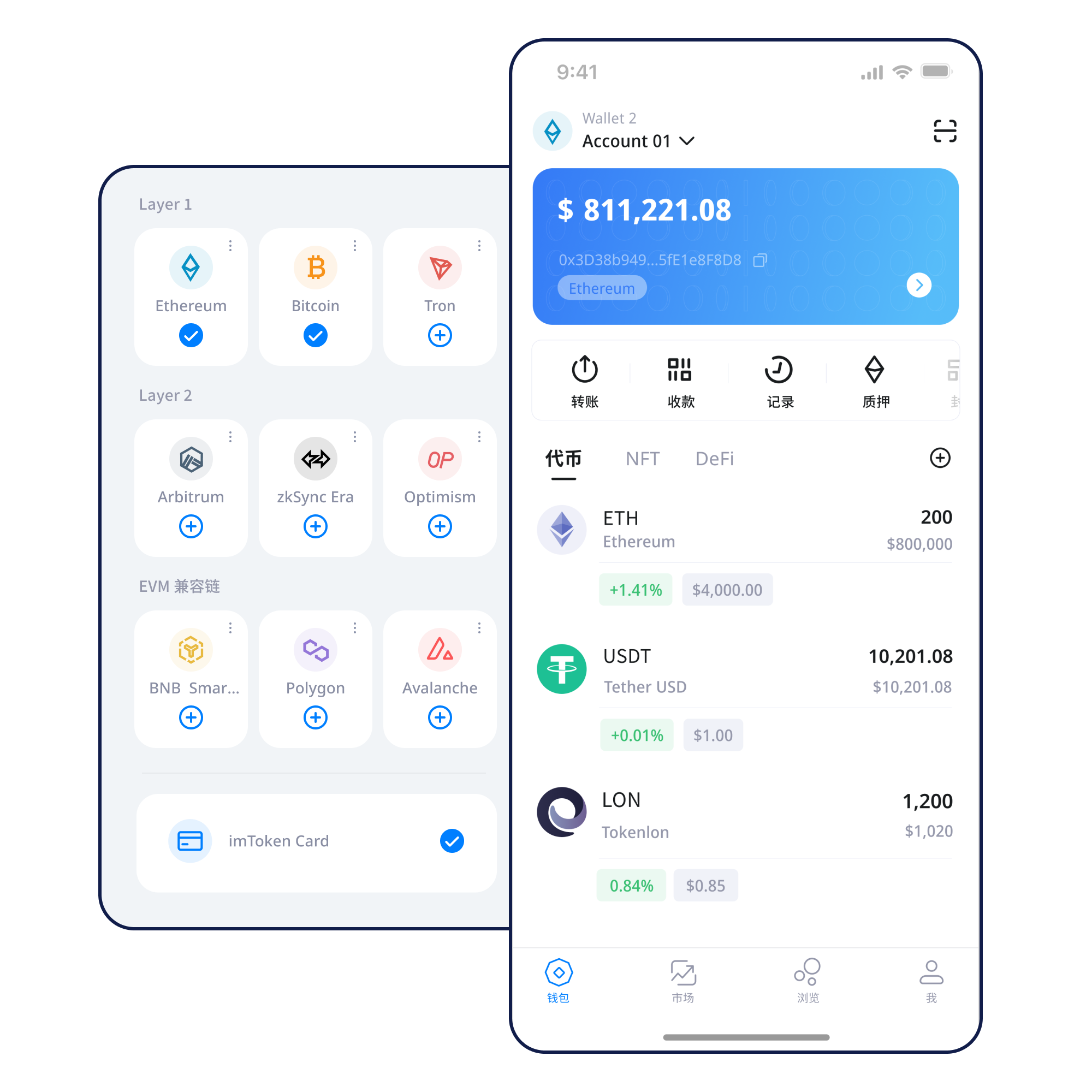
A wallet can aggregate information, but the network, contract and transaction state should remain independently verifiable.
Choose the network first, then interpret balances, gas and confirmations.
Confirm the network when receiving and review destination, amount and gas before sending.
Transfer Guide →Mobile access for network management, balances, history and DApp interaction.
Understand browser connections, account requests and session boundaries without ever entering a seed phrase or private key on a website.
Web Guide →
Back up recovery material offline and review permissions you no longer need.
Networks keep separate state, fees and confirmation rules.
One wallet can display several networks while assets remain on separate chains.
Understand Multi-chain →Transactions are validated, included in blocks and then accumulate confirmations.
Public-chain Basics →
Chain IDs, gas, balances and contract state stay separate.
Explore EVM →
Cross-layer transfers can include source confirmation, bridge processing and destination settlement.
Explore Layer 2 →
Fees vary with network conditions and transaction complexity.
Gas & Confirmations →Connect installation, backup, network selection, transfers and permission review into one process.
Use a trusted entry point and check the device.
Use a private environment with remote control disabled.
Record recovery material accurately and never disclose it.
Confirm the network, gas asset and DApp context.
Review address, network and amount, then keep the transaction hash.
Check confirmations and remove permissions that are no longer needed.
Review each signature, approval and transaction separately.
Web3 Guide →imtoken does not promise absolute security. Official staff will never request your seed phrase or private key, and confirmed blockchain transactions usually cannot be reversed by the wallet.
Security Center →Learn wallet control, networks and transactions before moving into DApps and approvals.
Addresses, seed phrases, private keys, networks, gas, transaction hashes, DApps and approvals form the core operating vocabulary.
Read the Guide →Staking does not guarantee returns. Rewards can change, exits can take time and validators can face network penalties.
Learn PoS, validators, reward sources, withdrawals and exit flow.
Ethereum Staking →Validator penalties, smart-contract risk, waiting time, price volatility and third-party dependencies all matter.
PoS & Validators →No fabricated dates, partnerships, funding, user counts, transaction volume or rankings.
No. Official staff will never request your seed phrase, private key or verification code.
Blockchains keep separate ledgers, so similar address formats do not make assets move automatically between networks.
Gas is the network fee mechanism for transaction or contract execution.
Connection alone usually does not, but later signatures, approvals and transactions can affect assets.
On-chain permissions can remain active after a DApp session ends.
No. Rewards can change and participation involves network, validator, contract and market risks.
Back up first, choose the network carefully and review every transfer, signature and approval.